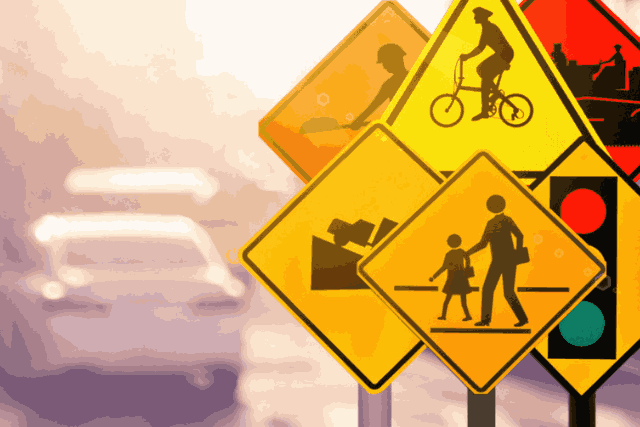
Shared zones are becoming more common in urban areas, car parks, and community spaces where pedestrians and vehicles share the same environment. While these spaces improve accessibility and usability, they also introduce increased safety risks if not properly managed.
This is where shared zone signs play a critical role—helping to guide behaviour, reduce confusion, and improve safety for everyone.
What Is a Shared Zone?
A shared zone is an area where:
- Pedestrians and vehicles use the same space
- Vehicles must give way to pedestrians
- Speed limits are significantly reduced
These zones are commonly found in:
- Car parks
- Shopping precincts
- Residential streets
- Public access areas
Without clear communication, shared zones can quickly become unsafe.
Why Shared Zone Signs Matter
Shared zone signs are essential because they clearly communicate the rules of the area to both drivers and pedestrians.
They help:
- Alert drivers to slow down
- Reinforce pedestrian priority
- Reduce confusion in mixed-use spaces
- Improve overall awareness
Clear signage ensures that everyone understands how to move safely within the zone.
1. Encouraging Lower Speeds
Speed control is one of the most important factors in shared zones.
Shared zone signs:
- Indicate reduced speed limits
- Signal drivers to proceed with caution
- Create a safer environment for pedestrians
Lower speeds significantly reduce the risk and severity of accidents.
2. Prioritising Pedestrian Safety
In shared zones, pedestrians have priority—but this is only effective if drivers are aware of it.
Shared zone signage:
- Reinforces pedestrian right-of-way
- Encourages drivers to remain alert
- Helps pedestrians feel safer using the space
This is especially important in high-foot-traffic areas.
3. Improving Traffic Awareness and Behaviour
Shared environments can be unpredictable. Signage helps reduce uncertainty by setting clear expectations.
Benefits include:
- Better driver awareness
- More predictable traffic movement
- Reduced hesitation and confusion
When behaviour is guided clearly, safety improves.
4. Supporting Other Safety Measures
Shared zone signs work best when combined with other safety solutions.
Common supporting equipment:
- Bollards – to protect walkways and define boundaries
- Line marking – to guide movement
- Speed humps – to enforce lower speeds
- Barriers – to separate high-risk areas
Together, these create a safer and more controlled environment.
5. Suitable for a Wide Range of Applications
Shared zone signage is used across various environments, including:
- Car parks and loading zones
- Shopping centres and commercial areas
- Residential developments
- Public streets and pedestrian zones
They are a simple but effective solution for improving safety in mixed-use spaces.
Built for Australian Conditions
Shared zone signs must be:
- Highly visible in all conditions
- Durable for outdoor use
- Compliant with Australian standards
Using high-quality materials ensures long-term performance and reliability.
FAQs
What is the speed limit in a shared zone?
Shared zones typically have low speed limits to prioritise pedestrian safety.
Do pedestrians always have priority in shared zones?
Yes, vehicles must give way to pedestrians in these areas.
Where are shared zone signs used?
They are commonly used in car parks, residential areas, and public access spaces.
Are shared zone signs required?
Yes, they are essential for clearly communicating the rules and ensuring safety.
Conclusion
Shared zones rely on clear communication to function safely—and signage is at the centre of that communication.
By using shared zone signs alongside other safety measures, you can create environments that are safer, more organised, and easier to navigate for both pedestrians and drivers.
Explore Shared Zone Signage Solutions
Looking to improve safety in shared spaces?
Browse a range of shared zone signs and traffic signage solutions designed for visibility, durability, and compliance across Australian conditions.
👉 Explore the range at:
🌐 https://www.civilproducts.com.au/