Road signs are designed to provide clear, consistent guidance—but their effectiveness can be significantly impacted by weather conditions. From heavy rain to intense sunlight, environmental factors play a major role in both visibility and long-term durability.
Understanding how weather affects signage helps ensure the right materials and solutions are used for safer, more reliable performance.
Why Weather Matters for Road Signage
Road signs are constantly exposed to the elements. Unlike indoor signage, they must perform in changing and often harsh conditions.
Common challenges include:
- Reduced visibility during rain, fog, or low light
- Glare from sunlight
- Material wear from UV exposure
- Damage from wind, moisture, and debris
Choosing the right type of sign and materials helps maintain clarity and longevity.
1. Rain and Wet Conditions
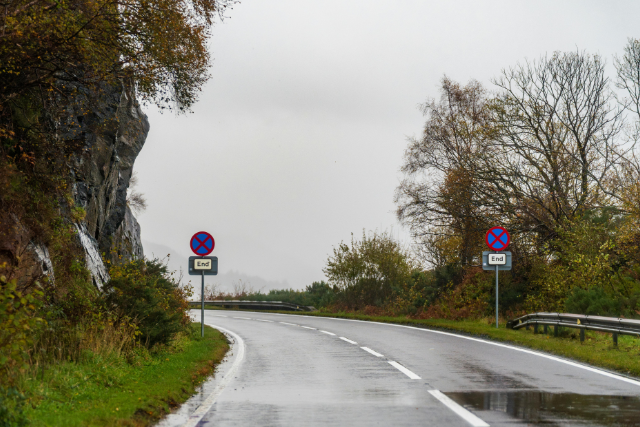
Rain can significantly reduce visibility, especially when combined with low light or vehicle glare.
Key impacts:
- Water on sign surfaces can reduce contrast
- Rain can blur visibility from a distance
- Headlight glare becomes more intense
Solution:
- Reflective signage is essential in wet conditions
- High-quality reflective materials improve visibility even in heavy rain
- Proper placement ensures signs remain clearly visible from a distance
Reflective signs help drivers detect and read messages faster, even in poor weather.
2. Fog and Low Visibility Conditions
Fog creates one of the most challenging environments for road safety.
Key impacts:
- Reduced visibility distance
- Difficulty distinguishing shapes and text
- Increased reaction time for drivers
Solution:
- Use high-intensity reflective materials
- Ensure clear, bold text and symbols
- Position signs at appropriate distances for early recognition
In foggy conditions, visibility enhancements are critical for safety.
3. Sunlight and UV Exposure
While sunlight improves visibility during the day, it also introduces long-term challenges.
Key impacts:
- Fading of colours over time
- Material degradation due to UV exposure
- Glare that can reduce readability
Solution:
- Use UV-resistant materials and coatings
- Choose high-quality reflective sheeting designed for outdoor use
- Ensure proper angle and positioning to reduce glare
Durable materials help maintain sign clarity and colour over time.
4. Wind and Storm Conditions
Strong winds and storms can physically impact signage.
Key impacts:
- Loosening or damage to mounting systems
- Debris impact causing surface damage
- Misalignment or displacement of signs
Solution:
- Use secure mounting hardware and posts
- Ensure proper installation for stability
- Select durable materials that can withstand impact
Reliable installation is just as important as the sign itself.
5. Temperature Changes and Material Stress
Fluctuating temperatures can affect both the structure and performance of signage.
Key impacts:
- Expansion and contraction of materials
- Potential cracking or warping
- Reduced lifespan if materials are not suitable
Solution:
- Choose materials designed for outdoor environments
- Use products tested for Australian conditions
- Ensure proper installation to allow for material movement
Temperature resilience is key for long-term durability.
The Role of Reflective Materials
Reflective materials play a critical role in maintaining visibility across multiple weather conditions.
They help:
- Improve visibility in rain, fog, and low light
- Enhance driver reaction time
- Maintain clarity regardless of lighting conditions
High-quality reflective signage is one of the most effective ways to ensure consistent performance in changing environments.
Built for Australian Conditions
Australian environments can be particularly demanding, with strong UV exposure, heavy rain, and varying temperatures.
Using durable, compliant signage ensures:
- Long-term performance
- Reduced maintenance
- Consistent visibility across all conditions
Selecting the right materials from the start helps avoid frequent replacements and safety risks.
FAQs
Do reflective signs work better in rain?
Yes, reflective signs improve visibility significantly in wet and low-light conditions.
Can sunlight damage road signs?
Over time, UV exposure can cause fading and material degradation if not properly treated.
What is the best material for outdoor signage?
Durable, UV-resistant materials with reflective sheeting are ideal for outdoor use.
How often should road signs be checked?
Regular inspections are recommended to ensure visibility, stability, and compliance.
Conclusion
Weather has a direct impact on how road signs perform—both in terms of visibility and durability.
By understanding these effects and choosing the right combination of reflective materials, durable construction, and proper installation, you can ensure your signage remains clear, effective, and reliable in all conditions.
Explore Durable Signage Solutions with Civil Products WA
Looking for signage built to perform in all conditions?
Browse a full range of reflective road signs and durable signage solutions from Civil Products WA, designed for visibility, compliance, and long-term performance across Australian environments.
Contact Us